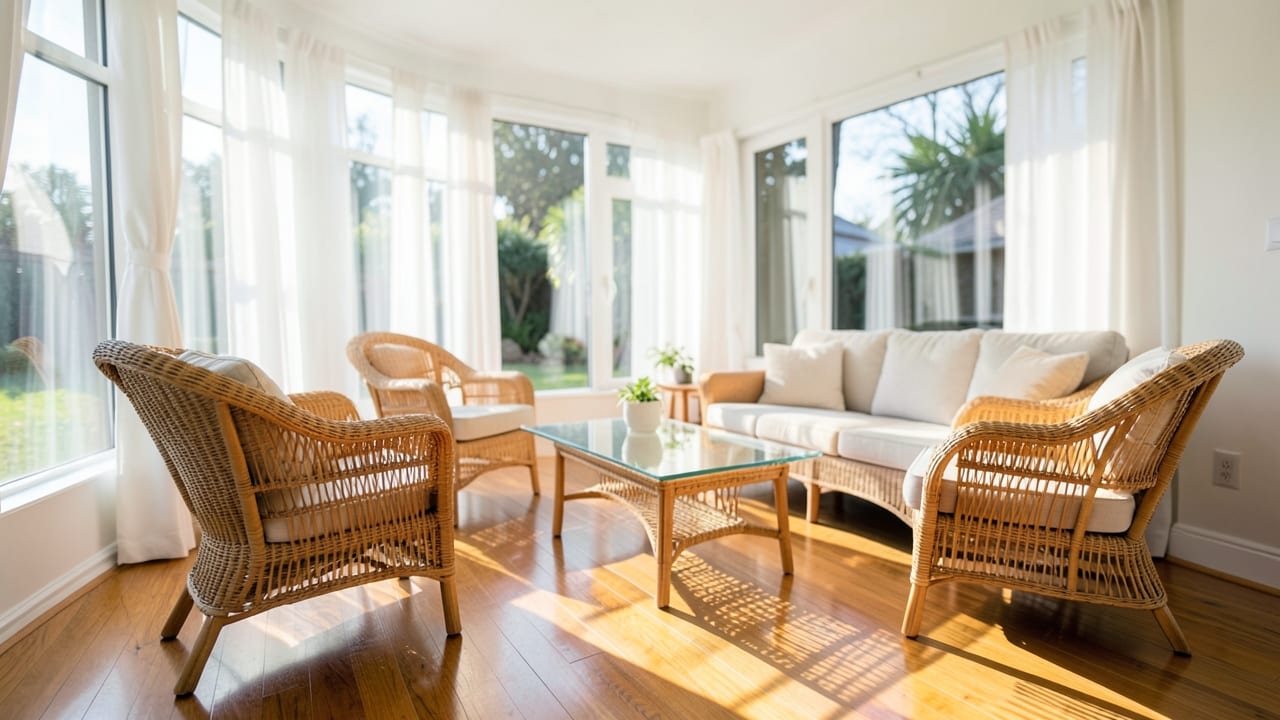
Sunroom Mold Remediation
Professional removal and treatment of mold in sunrooms to restore a safe, clean space.
Sunrooms in Park Hall, MD, often face mold growth due to their enclosed nature and exposure to moisture. Professional sunroom mold remediation involves identifying, containing, and removing mold while preventing regrowth.
This process ensures your space is safe and free from hidden spores that can affect air quality and structural integrity.
We also handle Pet Urine Mold Treatment and Salt Air Mold Remediation for Park Hall properties.
When sunroom mold needs professional attention
Mold in a sunroom can often start as a small, isolated patch, but it quickly spreads when moisture and poor ventilation are present. If the affected area exceeds 25 contiguous square feet, professional remediation is typically recommended.
This threshold is based on industry standards, as larger areas require specialized containment and equipment to prevent spores from spreading to other parts of your home.
Other signs that professional help is needed include mold that keeps returning after cleaning or a musty smell with no visible source. These often indicate hidden growth behind walls, under flooring, or within ductwork.
Addressing these issues requires cutting into materials, sealing off the work area, and using HEPA filtration to capture airborne spores during removal.
Signs Professional Sunroom Mold Remediation Is Needed
- Mold covers more than 25 contiguous square feet (a common industry threshold for professional work).
- Mold keeps reappearing in the same spot after cleaning, suggesting an unresolved moisture issue.
- A musty smell persists with no visible mold, often indicating hidden growth in walls, flooring, or ductwork.
- You notice spores drifting into other rooms during cleanup, signaling a containment breach.
What affects cost and timeline for sunroom mold remediation
The cost of sunroom mold remediation in Park Hall varies based on the size of the affected area, the type of mold, and whether hidden growth requires cutting into walls or flooring.
Surface-level mold on drywall or tile typically falls within a broader range, while confirmed black mold (Stachybotrys) often requires additional steps, increasing the total cost.
Timing depends on drying time, which is influenced by humidity levels and the size of the space. Industrial dehumidifiers and air movers are used to bring moisture levels back to normal before containment can be removed.
Clearance testing, done by an independent third party, ensures spore counts are within safe limits before the area is considered finished.
What to watch for after remediation
Even after professional remediation, mold can return if the moisture source isn’t fixed. Rooms that stay damp—like windowless bathrooms or poorly ventilated closets—benefit from a small fan or dehumidifier to prevent stagnant air from encouraging regrowth.
Outside your home, grading issues or downspouts dumping water against the foundation can also reintroduce moisture problems.
Checking humidity in the previously affected room periodically during the first year helps catch early signs of recurrence. If mold reappears, it’s often a signal that the original moisture issue was never fully addressed.
Independent clearance testing confirms whether spore levels are back to normal, but ongoing vigilance is key to long-term results.
Install a dehumidifier or small fan in persistently damp areas. Fix exterior grading or downspout issues that direct water toward your foundation. Monitor humidity levels in the room for the first year to catch early signs of recurrence.
How sunroom mold remediation works
- 1Containment Setup
Plastic sheeting and negative-air machines seal off the sunroom to prevent spores from spreading during removal. This step ensures airborne spores stay within the work area instead of drifting into unaffected parts of your home.
- 2Material Removal or Treatment
Porous materials like drywall and carpet padding, which absorb mold, are cut out and bagged inside containment. Non-porous surfaces like tile and framing are scrubbed and treated to eliminate spores without replacement.
- 3HEPA Filtration and Cleanup
HEPA air scrubbers run continuously to capture airborne spores, and surfaces are vacuumed with HEPA-filtered equipment. This prevents spores from being recirculated into the air during cleanup.
- 4Structural Drying
Industrial dehumidifiers and air movers reduce moisture levels in framing and subflooring to normal ranges. This step is critical, as mold regrows on damp materials even after visible traces are removed.
- 5Clearance Testing
An independent third party conducts air or surface sampling to confirm spore counts are within safe limits. This test ensures the remediation was effective before containment is removed.
Frequently asked questions
How do I know if my sunroom mold is black mold (Stachybotrys)?
Black mold often appears dark greenish-black and has a slimy texture. It typically grows in areas with high moisture, such as behind walls, under flooring, or on organic materials like drywall. If you suspect black mold, professional testing can confirm the species, as visual identification isn’t always reliable.
Will my sunroom furniture need to be thrown away after mold remediation?
Non-porous furniture, like metal or plastic, can often be cleaned and treated. Porous items like upholstered chairs or wood furniture may need professional cleaning or replacement if mold has penetrated deeply. The remediation team will assess each piece individually.
Can I stay in my home during sunroom mold remediation?
Yes, but you may need to avoid the contained work area. The team will seal off the sunroom to prevent spores from spreading, so other parts of your home remain safe to occupy. Follow their guidance on ventilation and air quality during the process.
How long does it take to dry the sunroom after mold removal?
Drying time depends on humidity levels and the size of the space. Industrial dehumidifiers and air movers typically reduce moisture to safe levels within 24–72 hours, but larger or more humid areas may take longer. The team will monitor progress until readings are stable.
See St. George Island, MD for more, or find out about our complete Park Hall service list by service type for our complete lineup.
Ready to get started?
Talk to a local mold remediation pro in Park Hall — get a written quote.
Other Mold Remediation Services in Park Hall
Pet Urine Mold Treatment in Park Hall, MD
Professional removal of mold caused by pet urine in homes, including assessment and treatment.
Learn More
Salt Air Mold Remediation in Park Hall, MD
Professional mold assessment, containment, removal, and prevention in affected areas of the home.
Learn More
Pest Infestation Mold Remediation in Park Hall, MD
Professional mold removal and remediation for pest-related infestations in homes.
Learn More
Spring Mold Inspection in Park Hall, MD
Professional assessment and identification of mold growth in homes.
Learn More
Move-In Mold Assessment in Park Hall, MD
Professional inspection and assessment of mold presence before moving into a property.
Learn More
Mold Inspection in Park Hall, MD
Mold inspection in Park Hall, MD — a visual and moisture-meter assessment that finds the source of growth, not just the visible spot on the wall.
Learn MoreCommon Questions About Mold Remediation in Park Hall
Everything you need to know about mold remediation services in Park Hall
How much does Sunroom Mold Remediation typically cost in Park Hall, MD?
Why does Park Hall, MD's humidity make mold a bigger risk than in drier regions?
Can small mold problems be handled without hiring anyone?
What's the actual difference between mold removal and mold remediation?
Is a final clearance test part of a typical mold remediation job?
How does mold remediation actually prevent the problem from coming back?
Need Mold Remediation in Park Hall?
Connect with local providers in Park Hall for a detailed quote.
⏰ We answer your call • Serving all of Park Hall and surrounding areas