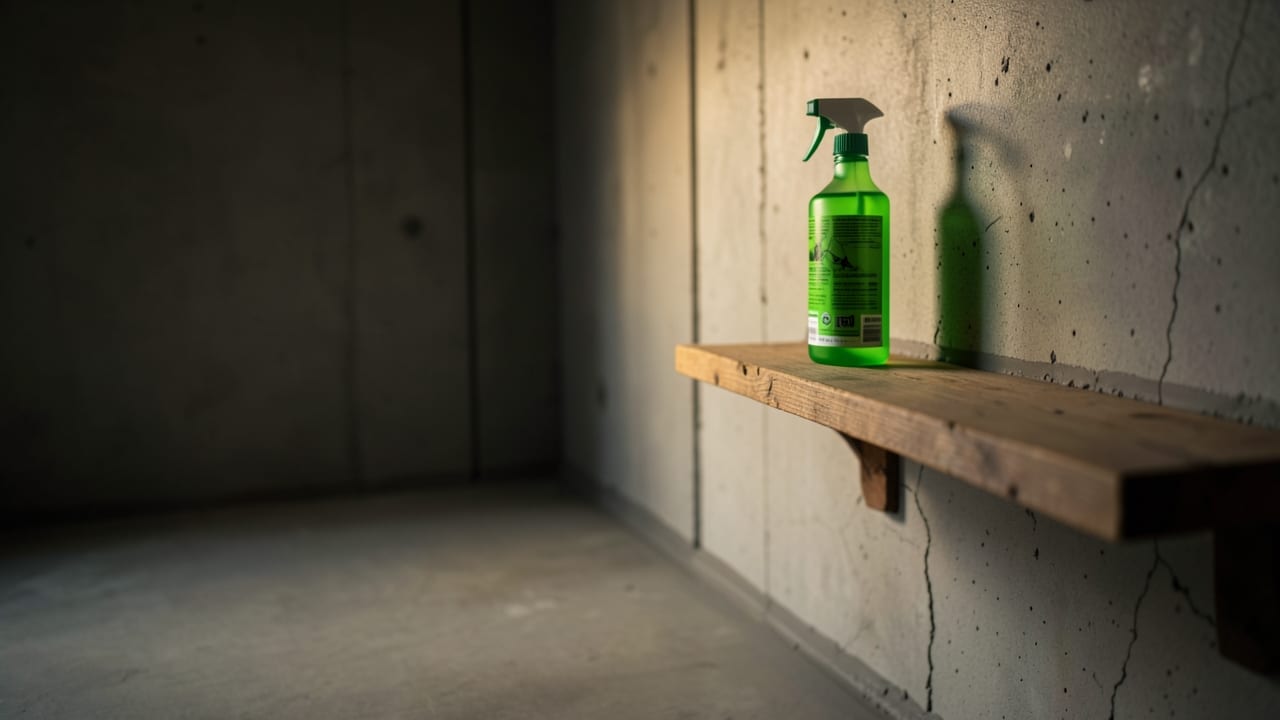
Pest Infestation Mold Remediation
Professional mold removal and remediation for pest-related infestations in homes.
Pest infestation mold remediation in Park Hall, MD addresses hidden mold growth caused by moisture from pests like rodents or insects. This specialized service ensures thorough cleanup and containment to prevent further spread, focusing on areas like walls, attics, and crawl spaces where mold often thrives after an infestation.
When pest infestation mold needs professional help
Mold from pests often hides behind walls, under flooring, or in attics, making it harder to spot. If you notice mold covering more than a small patch—especially if it keeps returning after cleaning—it’s likely time for professional remediation.
We also handle Salt Air Mold Remediation and Spring Mold Inspection for Park Hall properties.
A musty smell that lingers or worsens with the HVAC running can also signal hidden growth.
Rooms that stay damp, like windowless bathrooms or basements, are prime spots for mold to return. If you’ve already tried cleaning but the problem persists, a professional can assess whether the moisture source (like a leak or poor ventilation) needs fixing alongside the mold removal.
Signs You May Need Pest Infestation Mold Remediation
- Mold covering more than 25 contiguous square feet (a common threshold for professional work).
- Mold that keeps returning in the same spot after cleaning.
- A musty smell with no visible mold, especially when the HVAC system is on.
- Damp or poorly ventilated areas where mold is likely hidden (walls, attics, crawl spaces).
- Evidence of pest activity (droppings, nests, or damage) paired with mold growth.
How pest infestation mold remediation differs from standard mold work
Unlike general mold cleanup, pest infestation mold remediation targets hidden growth caused by moisture from pests. This often requires cutting out porous materials (like drywall or insulation) that can’t be fully cleaned, while non-porous surfaces (like tile or framing) are treated and preserved.
Containment is critical—plastic sheeting and negative-air machines seal the work area to prevent spores from spreading. HEPA air scrubbers and vacuums are used to capture spores during removal, and industrial drying ensures framing and subfloors are fully dry before the space is closed up.
| Step | Why It Matters |
|---|---|
| Containment with plastic sheeting and negative-air machines | Prevents spores from spreading to unaffected areas of the home. |
| Removal of porous materials (drywall, insulation, carpet padding) | Mold grows deep into these materials, making cleaning ineffective. |
| HEPA air scrubbing and vacuuming | Captures spores that standard equipment would recirculate back into the air. |
| Structural drying with dehumidifiers and air movers | Mold regrows on damp surfaces even after visible traces are removed. |
| Independent clearance testing | Confirms spore levels are back to normal before the work area is reopened. |
What affects pricing and timing for this service?
Pest infestation mold remediation is typically priced per project rather than by a fixed rate, as the scope depends on the extent of the mold and damage.
Factors like the size of the affected area, whether porous materials need removal, and additional work (such as pest control or moisture source fixes) can influence the cost.
Timing depends on drying requirements—industrial dehumidifiers and air movers may need to run for days to fully dry framing and subfloors. Clearance testing also adds time to ensure the work is complete before the area is reopened.
How pest infestation mold remediation works
This process focuses on containment, removal, and prevention to ensure mold doesn’t spread or return.
- 1Containment Setup
Plastic sheeting and negative-air machines seal the work area to prevent spores from escaping during removal. This keeps unaffected parts of the home protected.
- 2Material Removal and Treatment
Porous materials (like drywall or insulation) that can’t be fully cleaned are cut out and bagged. Non-porous surfaces (such as tile or framing) are scrubbed and treated to remove mold.
- 3HEPA Filtration and Drying
HEPA air scrubbers and vacuums capture spores during the process. Industrial dehumidifiers and air movers dry framing and subfloors to prevent regrowth.
- 4Clearance Testing
An independent lab tests the air or surfaces to confirm spore levels are back to normal before the containment is removed.
- 5Moisture Source Fix (If Needed)
Addressing leaks, poor ventilation, or pest entry points helps prevent future mold growth in the same area.
Frequently asked questions
How do I know if my mold is from a pest infestation?
Look for signs of pests (droppings, nests, or damage) alongside mold growth. Musty smells in hidden areas or mold that keeps returning after cleaning are also common indicators.
Can mold from pests spread to other parts of my home?
Yes, if containment isn’t used during removal, spores can drift into unaffected areas through air vents or open doors. Proper containment keeps this from happening.
Will my walls or flooring need to be replaced after remediation?
Porous materials like drywall or insulation are often removed if mold has penetrated deeply. Non-porous surfaces (like tile or metal) can usually be cleaned and treated.
How long does the drying process take after mold removal?
Drying time depends on humidity and the size of the affected area. Industrial dehumidifiers may need to run for several days to fully dry framing and subfloors.
See California, MD for more, or check out our full Park Hall-area coverage before booking for our complete lineup.
Ready to get started?
Talk to a local mold remediation pro in Park Hall — get a written quote.
Other Mold Remediation Services in Park Hall
Salt Air Mold Remediation in Park Hall, MD
Professional mold assessment, containment, removal, and prevention in affected areas of the home.
Learn More
Spring Mold Inspection in Park Hall, MD
Professional assessment and identification of mold growth in homes.
Learn More
Move-In Mold Assessment in Park Hall, MD
Professional inspection and assessment of mold presence before moving into a property.
Learn More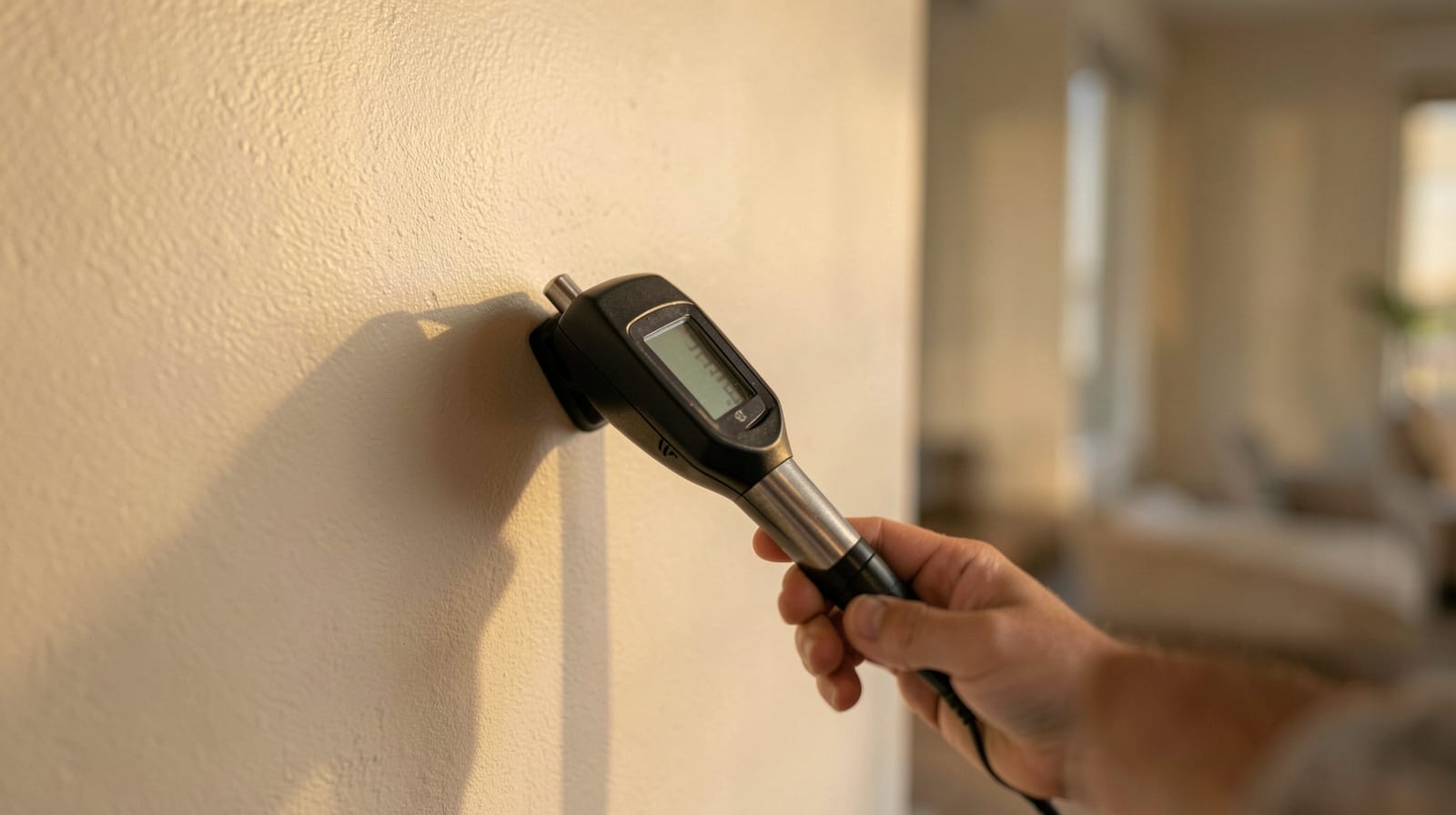
Mold Inspection in Park Hall, MD
Mold inspection in Park Hall, MD — a visual and moisture-meter assessment that finds the source of growth, not just the visible spot on the wall.
Learn More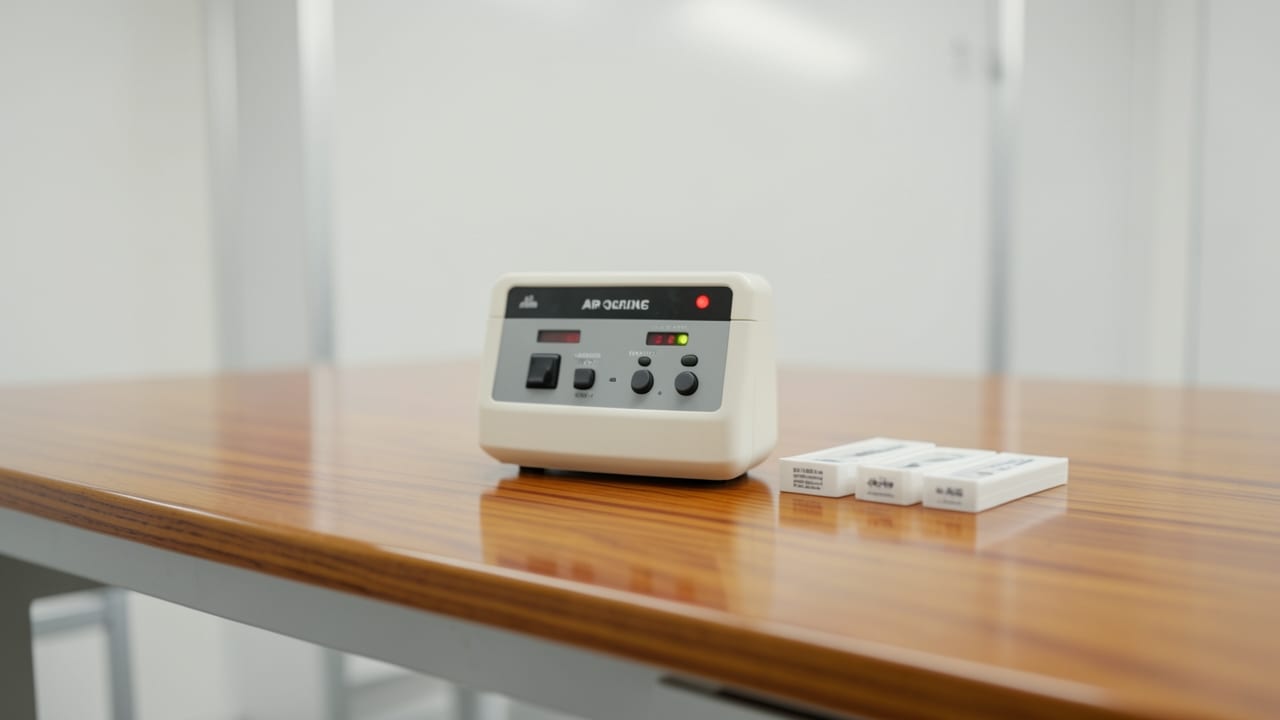
Mold Testing & Air Quality Testing in Park Hall, MD
Mold and indoor air quality testing in Park Hall, MD — lab-analyzed air and surface samples confirm what's actually growing and whether it's airborne.
Learn More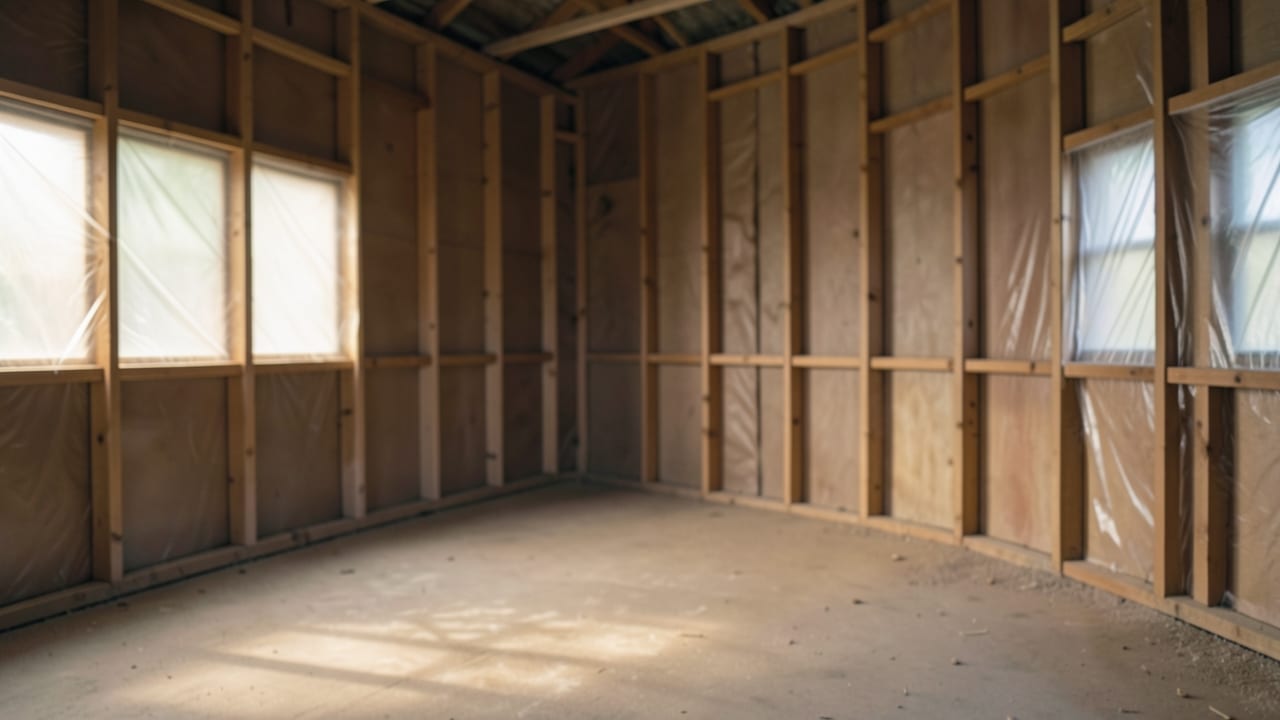
Mold Removal & Remediation in Park Hall, MD
Mold removal and remediation in Park Hall, MD — containment, HEPA filtration, and removal of affected material following industry (IICRC S520) protocol.
Learn MoreCommon Questions About Mold Remediation in Park Hall
Everything you need to know about mold remediation services in Park Hall
How much does Pest Infestation Mold Remediation typically cost in Park Hall, MD?
Why does Park Hall, MD's humidity make mold a bigger risk than in drier regions?
How long does a typical mold remediation job take?
Is it safe to stay in the home during mold remediation?
Can small mold problems be handled without hiring anyone?
What's the actual difference between mold removal and mold remediation?
Need Mold Remediation in Park Hall?
Connect with local providers in Park Hall for a detailed quote.
⏰ We answer your call • Serving all of Park Hall and surrounding areas