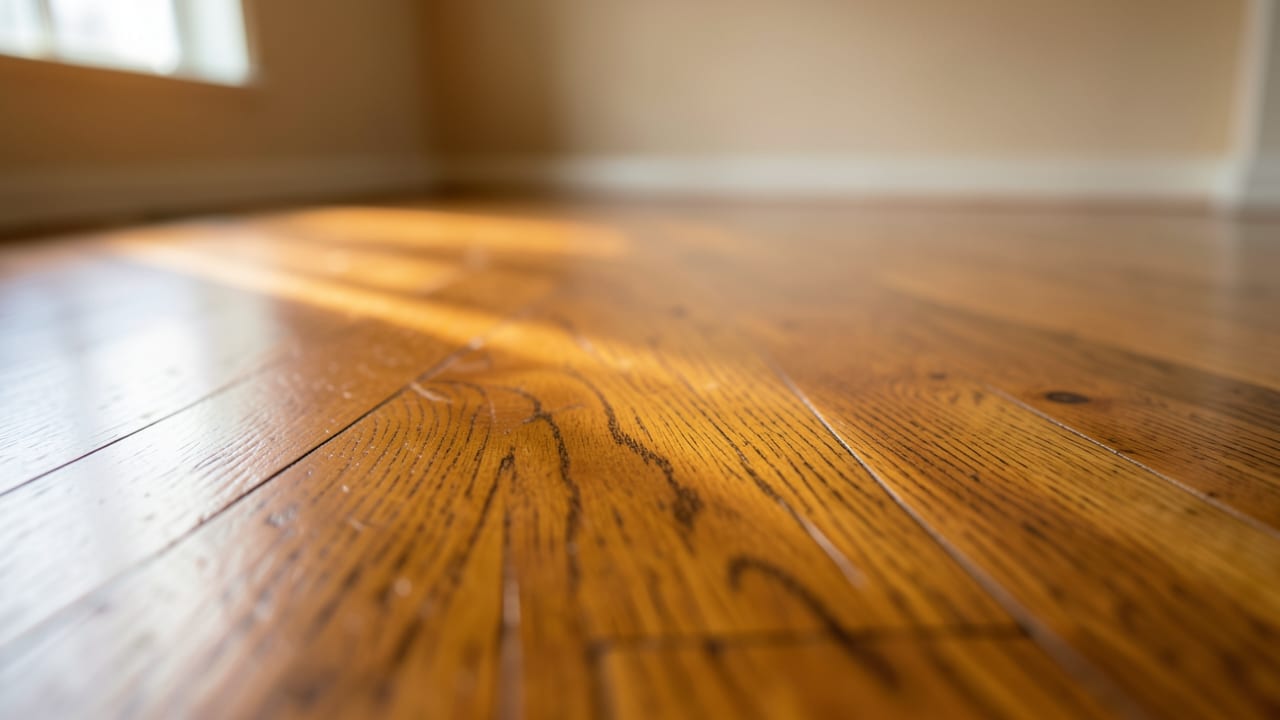
Flood Damage Mold Remediation
Professional mold removal and remediation after flood damage in homes.
Flood damage in Park Hall, MD, often leads to hidden mold growth in walls, floors, and basements. Mold remediation involves safely removing contaminated materials, treating affected areas, and preventing regrowth.
Proper containment and air filtration are critical to limit spore spread during the process, ensuring a thorough cleanup tailored to your home’s needs.
We also handle Metal Ductwork Mold Remediation and Glass Window Mold Removal for Park Hall properties.
When flood damage needs professional mold remediation
Flood damage can quickly lead to mold growth, especially in hidden areas like walls, under flooring, or behind appliances. If mold covers more than a small patch—typically over 25 square feet—or keeps returning after cleaning, professional remediation is needed.
A persistent musty smell, even without visible mold, often signals hidden growth that requires expert attention.
Moisture sources like leaks, condensation, or poor drainage must also be addressed. Without fixing these issues, mold can regrow within months. Rooms that stay damp—such as windowless bathrooms or basements—may need ongoing airflow solutions like fans or dehumidifiers to prevent recurrence.
Signs You Need Mold Remediation After Flood Damage
- Mold covers more than 25 square feet of a single surface (a common threshold for professional work).
- Mold keeps returning in the same spot after cleaning, suggesting an unresolved moisture issue.
- A musty smell persists even when no visible mold is present, often indicating hidden growth.
- The mold is black or dark green, which may require specialized treatment compared to surface-level growth.
What affects the cost of flood damage mold remediation?
The cost of mold remediation depends on the size of the affected area, the type of mold, and the materials involved. Porous materials like drywall or carpet padding are often removed, while non-porous surfaces like tile or framing can be cleaned and treated.
The presence of black mold can increase costs due to the need for specialized handling and containment.
Additional factors include the need for structural drying, clearance testing, and whether hidden mold is discovered during the process. Pricing varies based on these variables, so a detailed inspection and quote are essential before starting work.
Questions to ask before hiring a mold remediation service
Not all mold remediation services operate the same way. Asking the right questions upfront helps ensure the job is done thoroughly and transparently. Clarifying what’s included in the estimate—such as inspection, testing, and clearance testing—avoids unexpected costs later.
Understanding whether the moisture source will be addressed is critical, as remediation without fixing the root cause often leads to regrowth. Always request a written scope of work to compare bids accurately.
| Question to Ask | Why It Matters |
|---|---|
| Does the estimate include inspection, testing, remediation, and clearance testing? | Containment and clearance testing are often priced separately; a low estimate excluding them may not cover the full scope. |
| Is a written scope of work provided before any work starts? | A written scope protects against unexpected costs or changes once demolition begins. |
| Will a third-party lab test verify mold species and confirm clearance after the work? | Independent testing ensures the space is truly clear of mold spores. |
| What happens if hidden mold is found once walls are opened? | Change-order pricing after demolition can lead to disputes if not addressed upfront. |
How flood damage mold remediation works
Remediation begins with containment to prevent spores from spreading, followed by removal of contaminated materials and thorough drying.
- 1Containment Setup
Plastic sheeting and negative-air machines seal off the work area before any materials are disturbed. This keeps airborne spores generated during removal from spreading to unaffected parts of the home.
- 2Removal of Contaminated Materials
Porous materials like drywall, insulation, and carpet padding—where mold grows deep into the material—are typically cut out and bagged inside containment. Non-porous surfaces like framing or tile are scrubbed and treated instead.
- 3HEPA Air Scrubbing and Vacuuming
HEPA-filtered air scrubbers run continuously during the job, and surfaces are vacuumed with HEPA-equipped tools. Standard shop vacuums or non-HEPA filters recirculate spores, making them ineffective for mold remediation.
- 4Structural Drying
Industrial dehumidifiers and air movers reduce moisture in framing and subfloors to normal levels. Mold regrows on damp materials even after visible traces are removed, so drying is critical to long-term results.
- 5Clearance Testing
An independent post-remediation test—such as air or surface sampling—confirms spore counts are back to normal levels before containment is removed. This step ensures the job is complete and the space is safe.
Frequently asked questions
How do I know if my mold problem is serious enough to need professional remediation?
If mold covers more than a small patch (typically over 25 square feet), keeps returning after cleaning, or you notice a musty smell with no visible growth, professional remediation is likely needed. Hidden mold in walls or ductwork often requires expert inspection and treatment.
Will fixing the mold also address the moisture issue that caused it?
Remediation removes existing mold, but fixing the moisture source—such as leaks, condensation, or poor drainage—is essential to prevent regrowth. Ask if the service includes addressing the root cause, as skipping this step often leads to mold returning within months.
Do I need to leave the house during mold remediation?
During active remediation, especially containment and removal phases, it’s best to avoid the area. However, the need to leave depends on the scope of work. A professional can advise whether temporary relocation is necessary for your specific situation.
How do I know if the mold remediation was successful?
A post-remediation clearance test, conducted by an independent third party, confirms spore levels are back to normal. Without this test, there’s no way to verify whether the job fully resolved the contamination.
See Golden Beach, MD for more, or explore our full Park Hall-area coverage across the area for our complete lineup.
Ready to get started?
Talk to a local mold remediation pro in Park Hall — get a written quote.
Other Mold Remediation Services in Park Hall
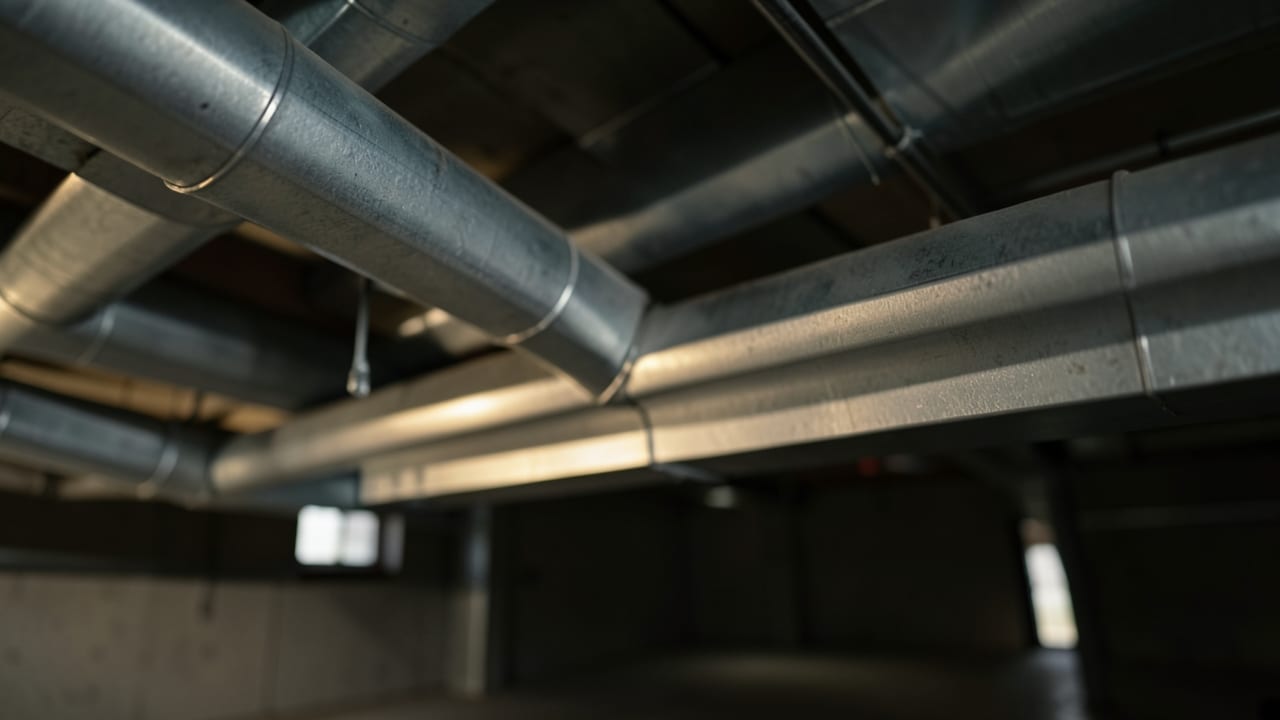
Metal Ductwork Mold Remediation in Park Hall, MD
Professional removal of mold from metal ductwork to restore indoor air quality.
Learn More
Glass Window Mold Removal in Park Hall, MD
Professional removal of mold from glass windows and frames to restore clarity and prevent spread.
Learn More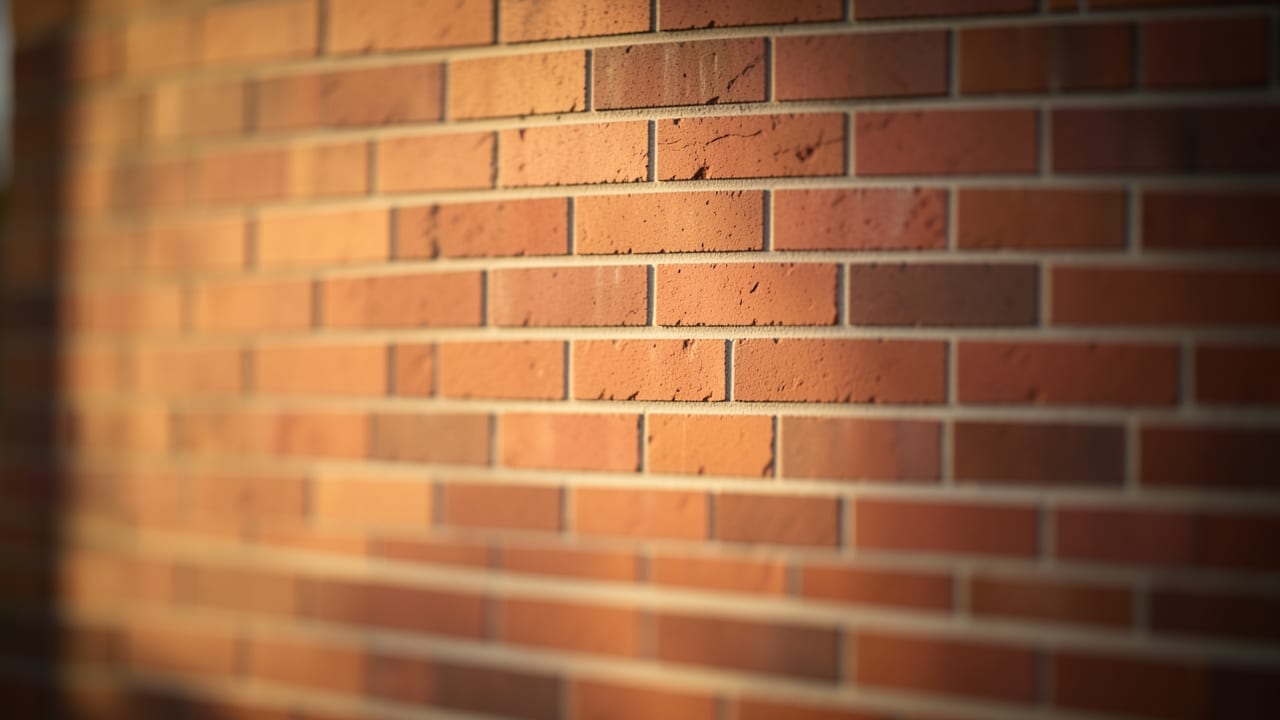
Brick Masonry Mold Treatment in Park Hall, MD
Professional mold treatment and removal from brick masonry to restore structural integrity and indoor air quality.
Learn More
Sunroom Mold Remediation in Park Hall, MD
Professional removal and treatment of mold in sunrooms to restore a safe, clean space.
Learn More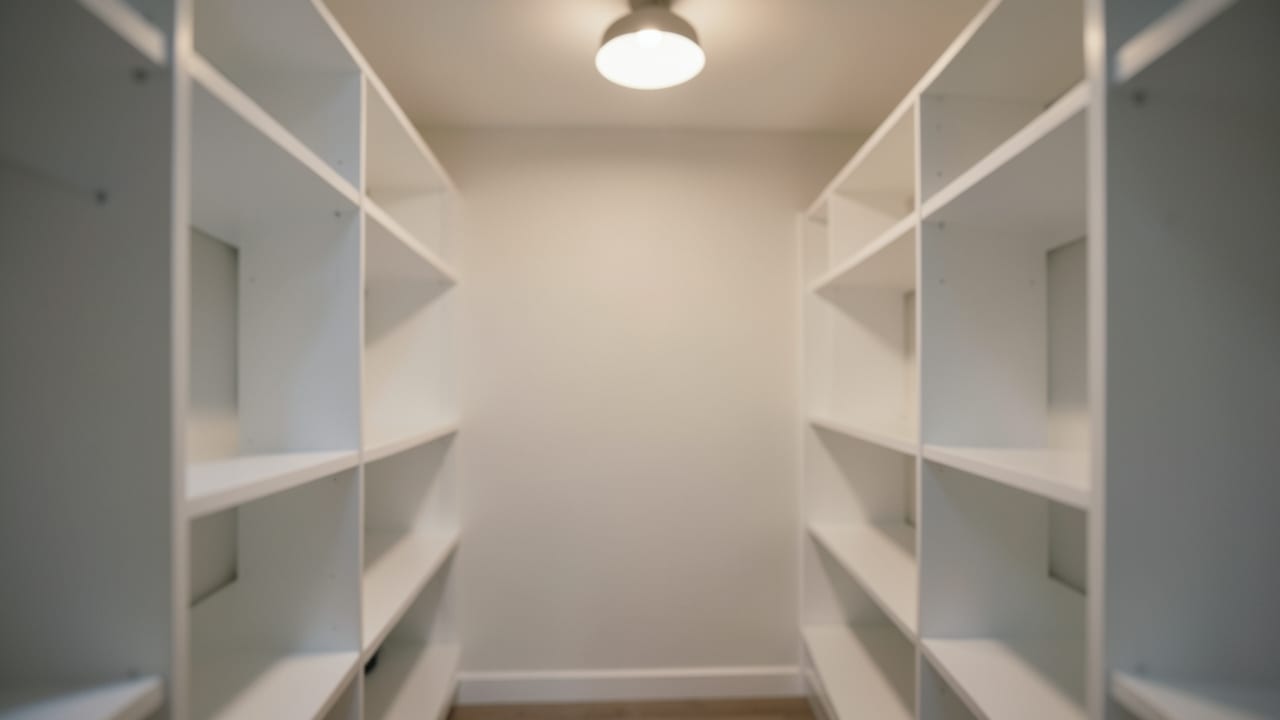
Closet Mold Cleanup in Park Hall, MD
Professional cleanup and removal of mold from closets to restore safe, healthy spaces.
Learn More
HOA Mold Remediation in Park Hall, MD
Professional mold removal and remediation for HOA properties to restore safe, healthy living conditions.
Learn MoreCommon Questions About Mold Remediation in Park Hall
Everything you need to know about mold remediation services in Park Hall
How much does Flood Damage Mold Remediation typically cost in Park Hall, MD?
Why does Park Hall, MD's humidity make mold a bigger risk than in drier regions?
Does mold mean the same thing as mildew?
Does homeowners insurance typically cover mold remediation?
Is black mold actually more dangerous than other mold types?
How long does a typical mold remediation job take?
Need Mold Remediation in Park Hall?
Connect with local providers in Park Hall for a detailed quote.
⏰ We answer your call • Serving all of Park Hall and surrounding areas