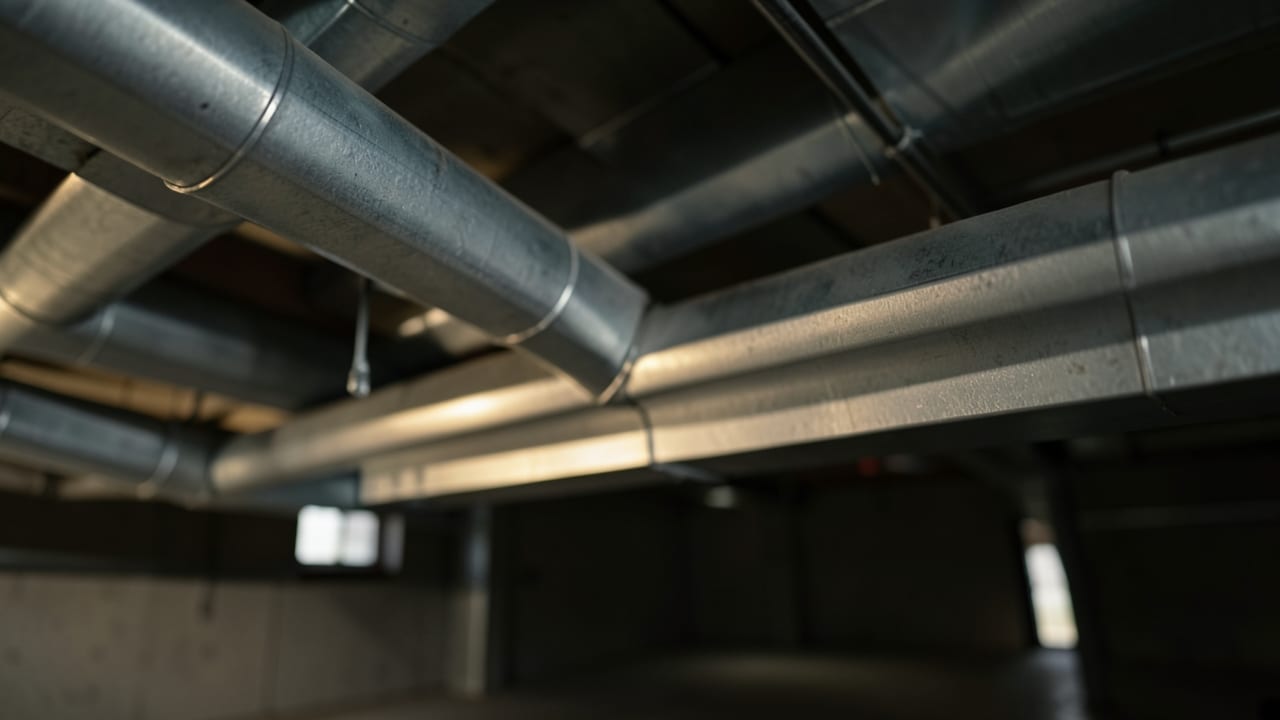
Metal Ductwork Mold Remediation
Professional removal of mold from metal ductwork to restore indoor air quality.
Metal ductwork mold remediation in Park Hall, MD, targets mold growth within HVAC systems to ensure clean, safe airflow. This process involves containment, removal of affected materials, HEPA filtration, and drying to prevent regrowth and maintain indoor air quality.
Proper remediation helps protect your home from hidden contaminants that spread through ductwork.
We also handle Mold Testing & Air Quality Testing and Mold Removal & Remediation for Park Hall properties.
Signs you need metal ductwork mold remediation
Mold in ductwork often goes unnoticed until it spreads through your entire home. Look for visible mold growth inside ducts (if accessible), a musty odor that worsens when the HVAC runs, or recurring mold in the same area after cleaning.
If you’ve noticed these signs, the growth may be hidden within your ductwork, requiring professional intervention.
Persistent moisture issues, such as leaks or high humidity in rooms connected to the HVAC system, also signal a higher risk of ductwork mold. Without addressing the moisture source, mold can regrow even after remediation. A professional inspection can confirm whether your ductwork is contaminated and needs treatment.
When to Consider Ductwork Mold Remediation
- Mold covering more than a small, isolated patch (typically over 25 square feet).
- A musty smell that gets stronger when the HVAC system turns on.
- Recurring mold in the same spot after cleaning, suggesting a hidden moisture source.
- Visible mold growth inside accessible duct sections or vents.
What affects the cost and scope of metal ductwork mold remediation?
The cost of metal ductwork mold remediation in Park Hall typically depends on the size of the affected area, the severity of contamination, and whether hidden mold is discovered during the process.
Confirmed black mold cases often require additional treatment, increasing the total cost. Pricing also varies based on whether containment, clearance testing, or structural repairs are needed.
Unlike porous materials, metal ducts can often be cleaned and treated rather than replaced, which may lower costs compared to full ductwork replacement. However, if mold has spread to surrounding insulation or drywall, those materials may need removal and replacement, adding to the overall expense.
What to expect during the remediation process
Metal ductwork mold remediation follows a structured process to ensure safety and effectiveness. Containment is critical—plastic sheeting and negative-air machines isolate the work area to prevent spores from spreading. Once contained, affected materials are removed or cleaned, and HEPA filtration ensures spores are captured rather than recirculated.
After remediation, structural drying with dehumidifiers and air movers ensures moisture levels return to normal. Clearance testing by an independent lab confirms spore counts are back to safe levels before the area is released. This step is essential to verify the job’s success.
Skipping containment or using non-HEPA equipment can spread spores throughout your home. Remediating without fixing the moisture source (like leaks or poor ventilation) often leads to regrowth. Always insist on third-party clearance testing to confirm the work was effective.
How metal ductwork mold remediation works
- 1Containment
Plastic sheeting and negative-air machines seal off the work area to prevent spores from spreading to uncontaminated parts of your home during removal.
- 2Removal and Cleaning
Porous materials like insulation or drywall are removed and disposed of, while metal ducts are scrubbed and treated with antimicrobial solutions to kill remaining spores.
- 3HEPA Filtration
HEPA air scrubbers and vacuums run continuously to capture airborne spores, ensuring they are not recirculated into the home’s air supply.
- 4Structural Drying
Industrial dehumidifiers and air movers reduce moisture levels in framing and subfloors to prevent regrowth after visible mold is removed.
- 5Clearance Testing
An independent lab tests air or surface samples to confirm spore counts are within safe limits before containment is removed and the area is considered finished.
Frequently asked questions
Can I clean moldy ductwork myself, or should I hire a professional?
DIY cleaning may work for very small, isolated patches, but ductwork mold often spreads hidden contaminants through your entire HVAC system. Professionals use containment, HEPA filtration, and clearance testing to ensure spores are fully removed and won’t return.
How do I know if my ductwork has mold even if I can’t see it?
A musty odor that worsens when the HVAC runs, recurring mold in the same area, or visible growth inside accessible duct sections are key signs. A professional inspection can confirm hidden contamination using air or surface sampling.
Will fixing the moisture source prevent mold from coming back?
Yes, addressing leaks, poor ventilation, or high humidity is critical. Without fixing the moisture source, mold can regrow even after remediation. A professional can identify and recommend solutions to prevent future issues.
Do I need clearance testing after remediation, or is it optional?
Clearance testing by an independent lab is strongly recommended to confirm spore counts are safe. Without it, there’s no way to verify whether the remediation fully resolved the contamination.
See Charlotte Hall, MD for more, or see the full mold remediation lineup we run in Park Hall by category for our complete lineup.
Ready to get started?
Talk to a local mold remediation pro in Park Hall — get a written quote.
Other Mold Remediation Services in Park Hall
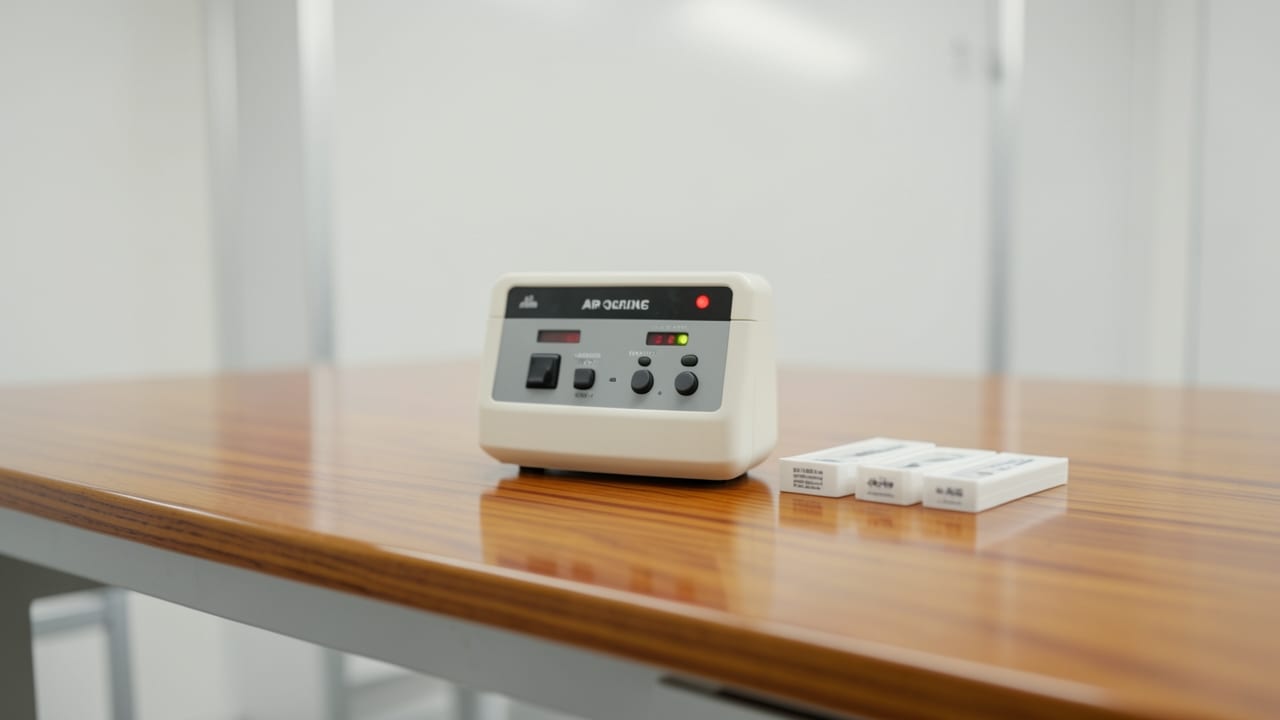
Mold Testing & Air Quality Testing in Park Hall, MD
Mold and indoor air quality testing in Park Hall, MD — lab-analyzed air and surface samples confirm what's actually growing and whether it's airborne.
Learn More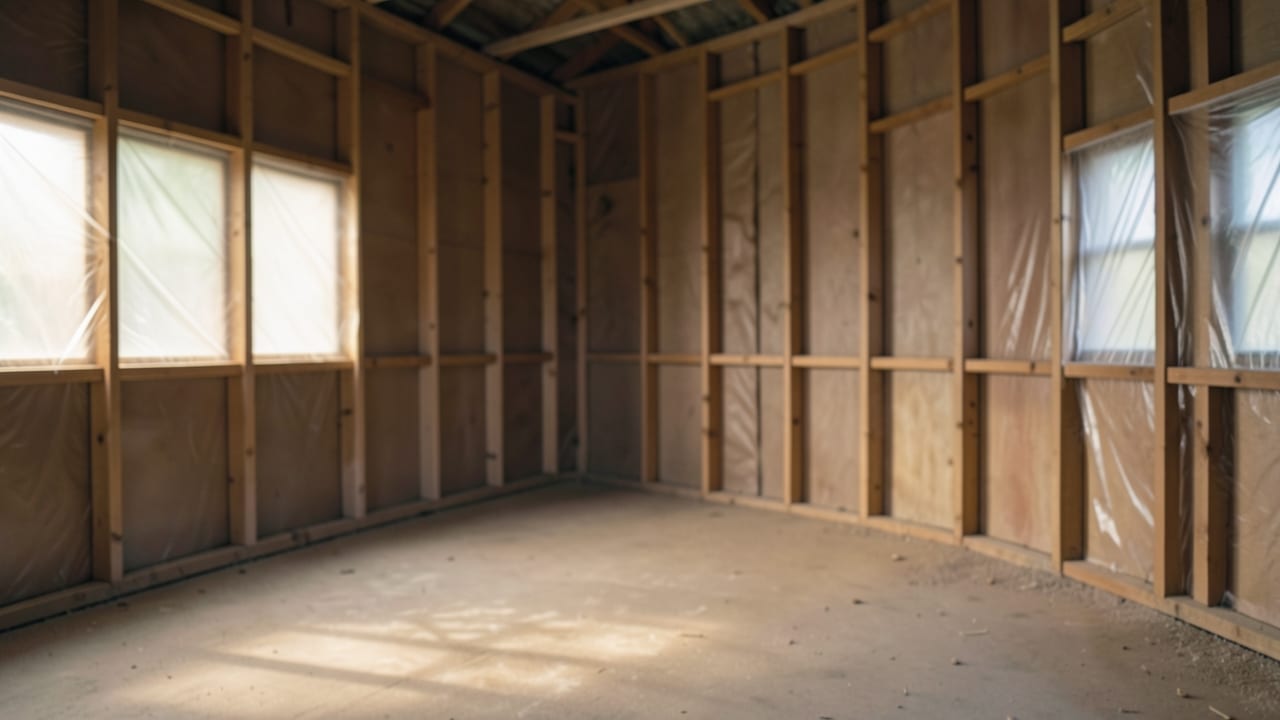
Mold Removal & Remediation in Park Hall, MD
Mold removal and remediation in Park Hall, MD — containment, HEPA filtration, and removal of affected material following industry (IICRC S520) protocol.
Learn More
Water Damage Restoration in Park Hall, MD
Water damage restoration in Park Hall, MD — extraction and structural drying to stop mold growth before it starts, following a leak, storm, or flood.
Learn More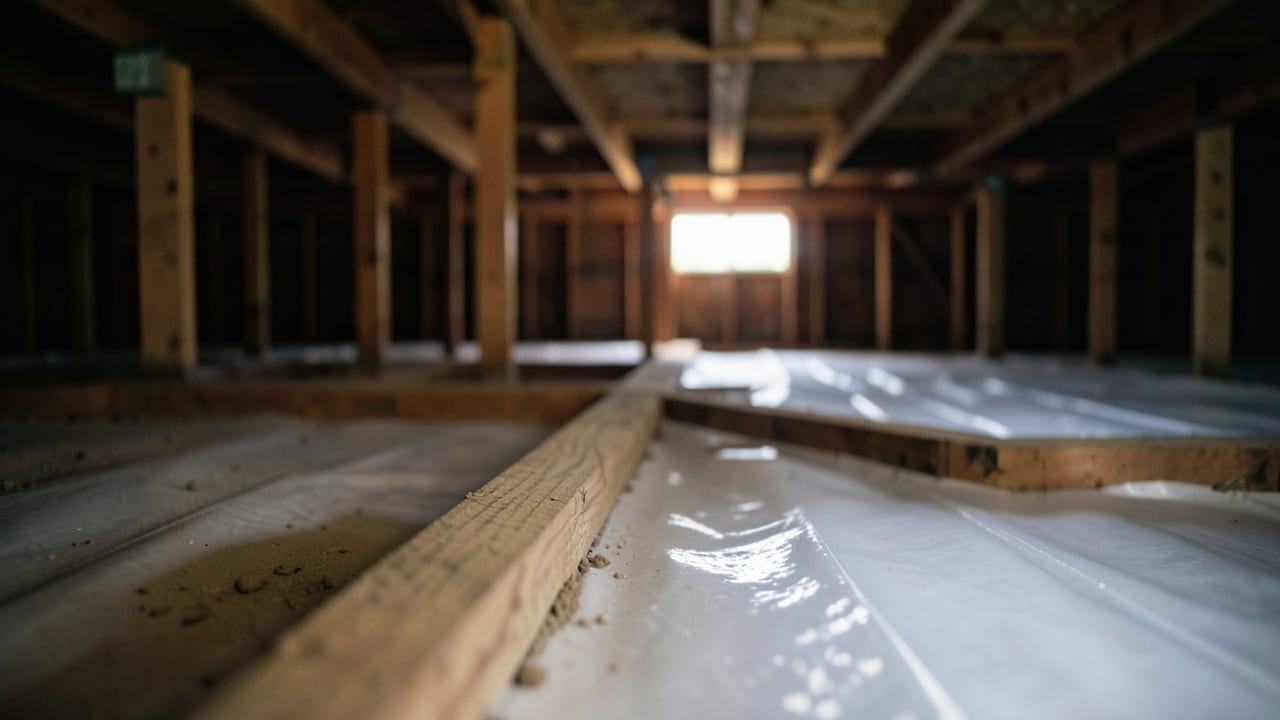
Crawl Space & Basement Mold Remediation in Park Hall, MD
Crawl space and basement mold remediation in Park Hall, MD addresses the two areas of a property most prone to trapped, unnoticed moisture.
Learn More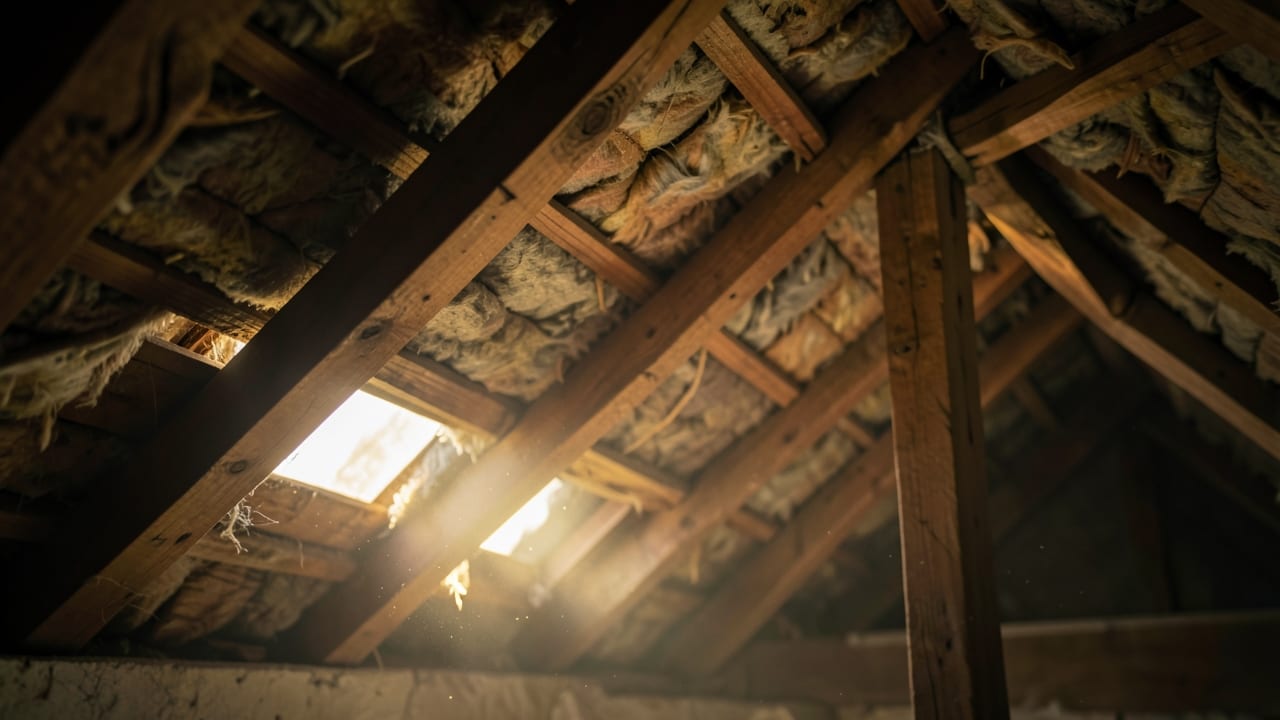
Attic Mold Remediation in Park Hall, MD
Attic mold remediation in Park Hall, MD addresses roof-deck growth typically caused by poor ventilation or a hidden roof leak.
Learn More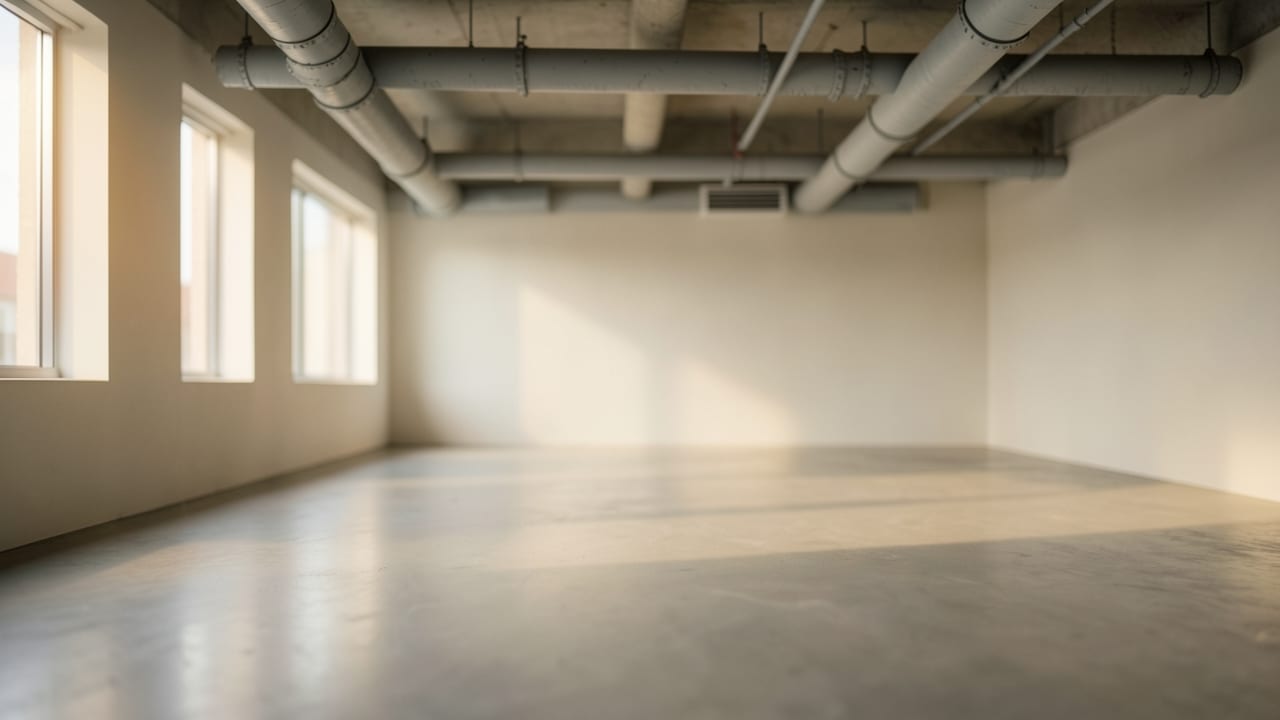
Commercial Mold Remediation in Park Hall, MD
Commercial mold inspection and remediation in Park Hall, MD for offices, retail space, and multi-unit properties, scheduled around business operations.
Learn MoreCommon Questions About Mold Remediation in Park Hall
Everything you need to know about mold remediation services in Park Hall
How much does Metal Ductwork Mold Remediation typically cost in Park Hall, MD?
Why does Park Hall, MD's humidity make mold a bigger risk than in drier regions?
Can mold growing inside HVAC ductwork spread to the rest of a home?
Does mold mean the same thing as mildew?
Does homeowners insurance typically cover mold remediation?
Is black mold actually more dangerous than other mold types?
Need Mold Remediation in Park Hall?
Connect with local providers in Park Hall for a detailed quote.
⏰ We answer your call • Serving all of Park Hall and surrounding areas