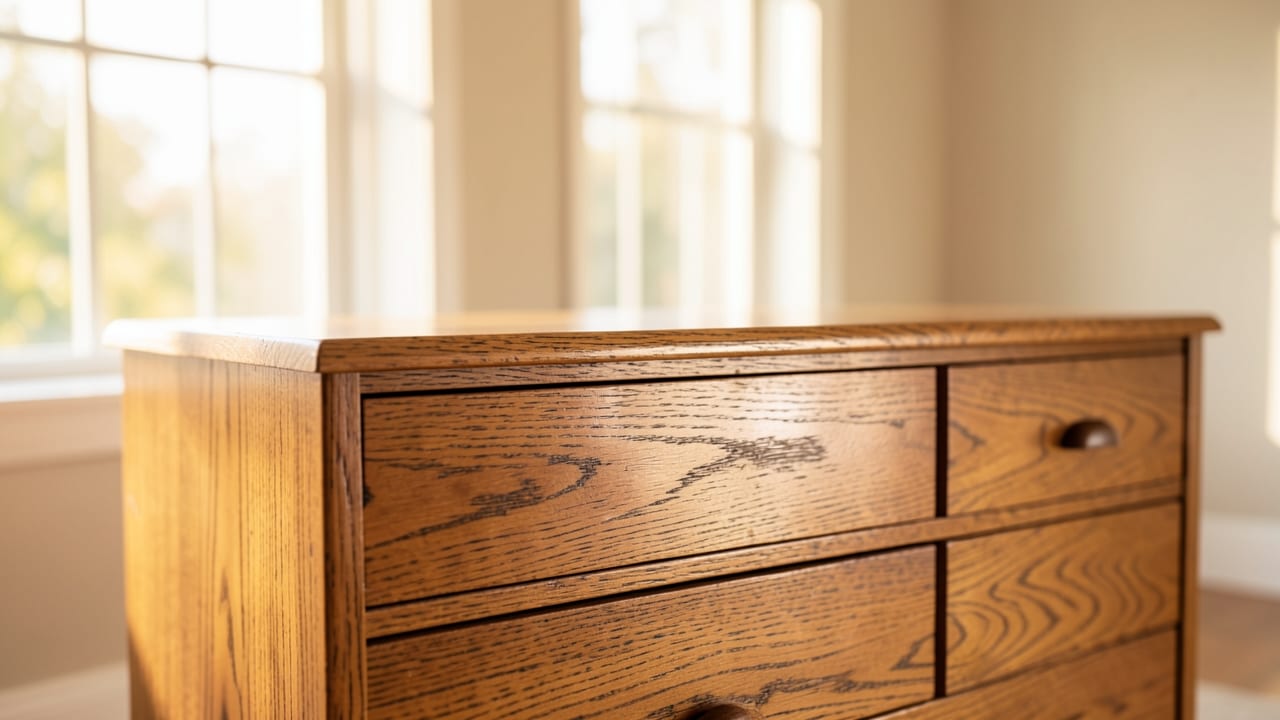
Wood Furniture Mold Remediation
Professional removal and treatment of mold from wood furniture to restore safety and appearance.
Wood furniture mold remediation in Park Hall, MD focuses on restoring affected pieces by removing embedded spores and treating surfaces to prevent recurrence. This process ensures your cherished furniture is cleaned thoroughly while preserving its structural integrity, addressing a common issue in homes with moisture concerns.
When mold on wood furniture needs professional attention
Mold growth on wood furniture often starts small but can spread quickly if moisture persists. A patch larger than a few square inches, recurring mold after cleaning, or a musty smell with no visible source are clear signs the problem may require professional intervention.
We also handle Brick Masonry Mold Treatment and Sunroom Mold Remediation for Park Hall properties.
These indicators suggest the mold has penetrated deeper or the moisture source hasn’t been addressed.
Hidden mold—such as behind panels or inside drawers—can also signal a larger issue. If the furniture is in a persistently damp area like a basement or windowless room, professional remediation helps ensure the wood is fully treated and the environment is adjusted to prevent future growth.
Signs Professional Wood Furniture Mold Remediation May Be Needed
- Mold covers more than a small, isolated patch (typically over 25 contiguous square feet).
- Mold keeps returning to the same spot after cleaning attempts.
- A musty smell persists with no visible mold in the room.
- The furniture is in a room with poor airflow or persistent dampness (e.g., basement, closet).
- The wood appears discolored or structurally weakened, indicating deep penetration.
What affects the process and cost of wood furniture mold remediation
The scope of wood furniture mold remediation varies based on the extent of mold growth, the type of wood, and whether additional treatments—like refinishing or reupholstering—are needed. Unlike porous materials, wood can often be restored rather than discarded, but deep-seated mold may require specialized cleaning agents or techniques.
Pricing for this service is typically determined after an inspection, as factors like the size of the furniture, the severity of the mold, and whether subcontractors (e.g., for refinishing) are involved all play a role. Unlike flat-rate services, wood furniture remediation is often quoted project-by-project to account for these variables.
Why containment and testing matter
During wood furniture mold remediation, containment is critical to prevent spores from spreading to unaffected areas. Plastic sheeting and negative-air machines isolate the work zone, while HEPA air scrubbers continuously filter the air to capture airborne spores.
This step ensures mold doesn’t migrate through hallways or HVAC systems during the process.
After remediation, independent clearance testing confirms that spore levels are back to normal. This testing is done by a third party—not the remediation crew—to provide an unbiased assessment of whether the job has been fully addressed. Skipping this step leaves uncertainty about whether the mold has been effectively removed.
Containment breaches—such as torn plastic or open doors—can turn a contained job into a larger one by allowing spores to drift into clean areas. Always ensure the work area is fully sealed during remediation.
How wood furniture mold remediation works
- 1Containment Setup
Plastic sheeting and negative-air machines seal off the work area to prevent spores from spreading to other parts of the home during cleaning.
- 2Cleaning and Treatment
Specialized cleaning agents and techniques are applied to the wood to remove embedded mold spores without damaging the surface. This step may include sanding or refinishing for deeper penetration.
- 3HEPA Filtration and Drying
HEPA-filtered air scrubbers run continuously to capture airborne spores, and surfaces are vacuumed with HEPA equipment to avoid recirculating mold. Industrial dehumidifiers dry the wood to prevent future growth.
- 4Clearance Testing
An independent lab tests the area after remediation to confirm spore levels are within normal ranges before containment is removed.
- 5Post-Remediation Adjustments
Recommendations may include fixing moisture sources (e.g., leaks, poor ventilation) or using dehumidifiers in persistently damp rooms to prevent recurrence.
Frequently asked questions
Can wood furniture be fully restored after mold exposure, or will it need to be replaced?
Wood furniture can often be restored if the mold hasn’t deeply penetrated the material. Professional remediation includes cleaning, treating, and sometimes refinishing to preserve the piece. However, if the wood is structurally compromised or the mold has caused irreversible damage, replacement may be necessary.
What should I do if I notice mold on my wood furniture but can’t see any moisture source?
A musty smell or visible mold without an obvious moisture source often indicates hidden dampness, such as inside walls, under flooring, or in HVAC ducts. Professional inspection can pinpoint the root cause, which is critical for preventing regrowth after remediation.
Will my wood furniture look the same after mold remediation, or will there be visible changes?
The appearance of wood furniture after remediation depends on the extent of the mold and the cleaning methods used. Surface-level mold may be treated without noticeable changes, while deeper penetration might require refinishing or reupholstering, which could alter the finish or texture.
How long does it typically take to complete wood furniture mold remediation?
The timeline varies based on the size of the furniture, the severity of the mold, and drying requirements. Containment, cleaning, and drying can take anywhere from a few days to over a week, depending on humidity levels and whether additional treatments (like refinishing) are needed.
See Taylors Island, MD for more, or find out about our full crew's Park Hall services step by step for our complete lineup.
Ready to get started?
Talk to a local mold remediation pro in Park Hall — get a written quote.
Other Mold Remediation Services in Park Hall

Brick Masonry Mold Treatment in Park Hall, MD
Professional mold treatment and removal from brick masonry to restore structural integrity and indoor air quality.
Learn More
Sunroom Mold Remediation in Park Hall, MD
Professional removal and treatment of mold in sunrooms to restore a safe, clean space.
Learn More
Closet Mold Cleanup in Park Hall, MD
Professional cleanup and removal of mold from closets to restore safe, healthy spaces.
Learn More
HOA Mold Remediation in Park Hall, MD
Professional mold removal and remediation for HOA properties to restore safe, healthy living conditions.
Learn More
Condo Mold Remediation in Park Hall, MD
Professional removal and treatment of mold in condominiums to restore safe, healthy living spaces.
Learn More
Restaurant Mold Remediation in Park Hall, MD
Professional mold removal and remediation for restaurant spaces to ensure safety and compliance.
Learn MoreCommon Questions About Mold Remediation in Park Hall
Everything you need to know about mold remediation services in Park Hall
How much does Wood Furniture Mold Remediation typically cost in Park Hall, MD?
Why does Park Hall, MD's humidity make mold a bigger risk than in drier regions?
What's the actual difference between mold removal and mold remediation?
Is a final clearance test part of a typical mold remediation job?
How does mold remediation actually prevent the problem from coming back?
Can mold growing inside HVAC ductwork spread to the rest of a home?
Need Mold Remediation in Park Hall?
Connect with local providers in Park Hall for a detailed quote.
⏰ We answer your call • Serving all of Park Hall and surrounding areas